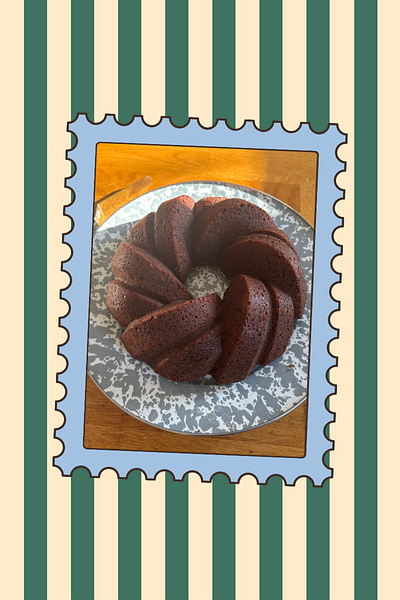
Kid Recipe: Chocolate Bundt Cake
A fancy dessert that teaches kids baking is more than just mixing.


This Chocolate Bundt Cake recipe is all about stretching skills and taking on a fun baking challenge. Sure, kids can easily make a chocolate cake from a mix but they are capable of much more than that! This recipe invites kids to be real bakers, following steps like melting chocolate, souring milk, and combining ingredients carefully to achieve that light, fluffy crumb in an intricate (and fancy!) bundt pan.
It’s a recipe that should sit just beyond their comfort zone, helping kids practice patience, attention to detail, and the confidence that comes from doing something a little tricky. The cake gets its rich texture from milk that’s been “soured” with vinegar—a classic baker’s trick that makes the crumb extra tender. Baking it in a bundt pan makes it look special, adding to the sense of pride and achievement I hope they’ll feel when it comes out of the oven.
There are a few moving parts, but it all comes together smoothly with just a bit of mixing. Everyone wants their kids to take on challenges and feel the pride of achievement—or learn from the small failures along the way. And honestly, chocolate cake is a pretty sweet place to do that. Learn more about how cooking can be a safe space for failure in my article here.

Hot oven
Measuring ingredients
Multi-tasking
No stove
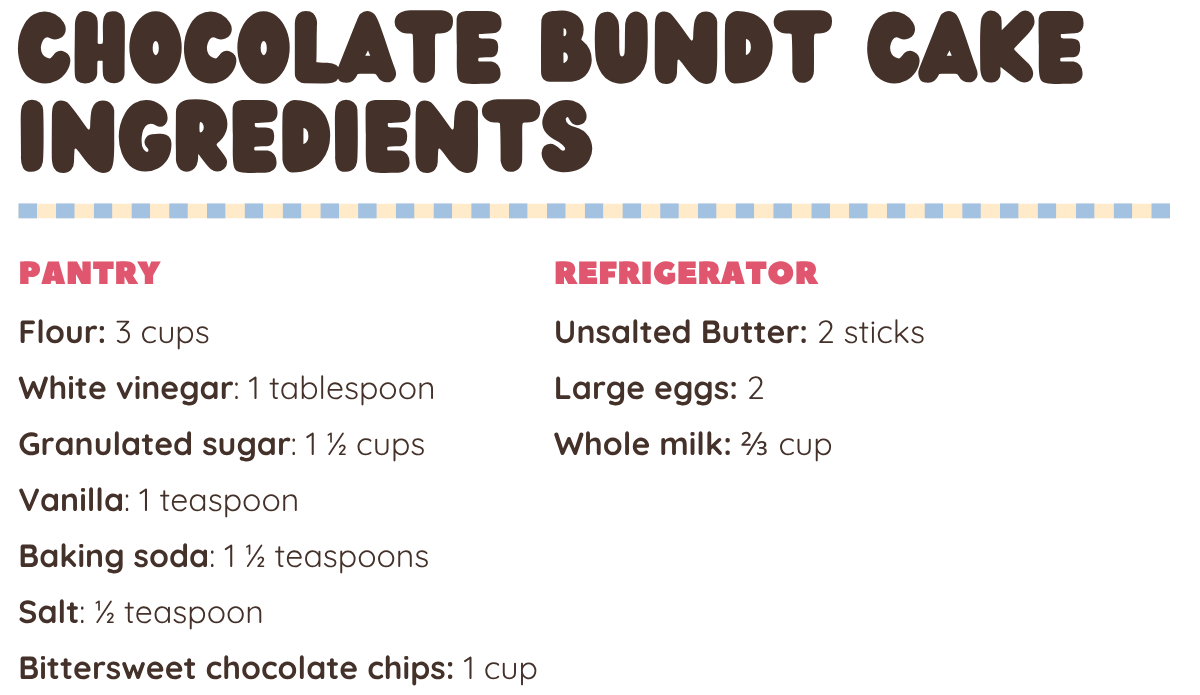
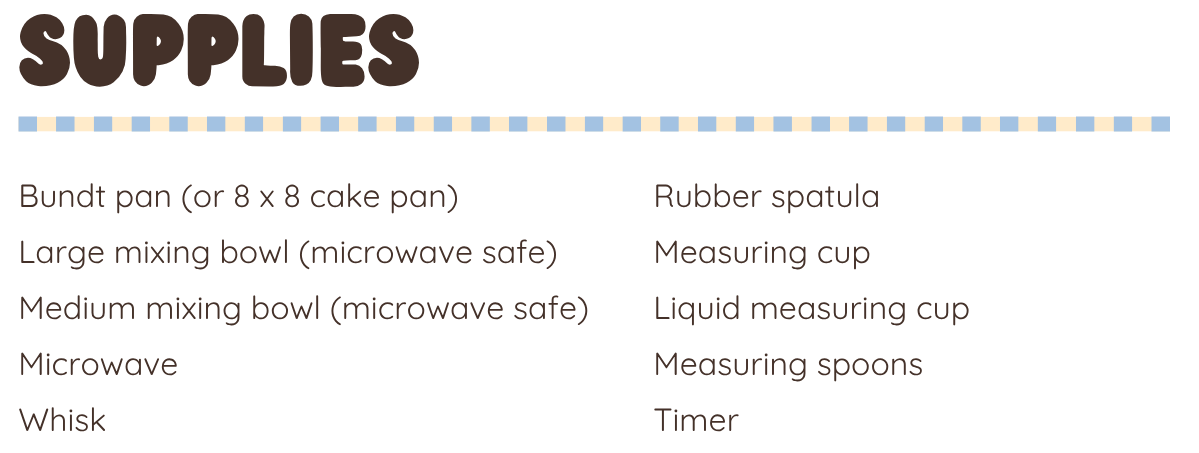


Measuring Cups: This recipe uses both liquid and dry measuring cups. Dry cups are for ingredients like flour and sugar; liquid cups are for milk or oil and should be read at eye level. This helps kids learn precision and when to use each type. Use the liquid measuring cup for making the soured milk.
Bundt Pan: A bundt pan adds instant excitement and helps the cake bake evenly while looking impressive without extra decoration. In the recipe, I explain how to use the leftover butter on the wrapper to properly grease the inside. No bundt pan? Any cake pan will work fine.
Microwave: The microwave replaces more advanced tools, like a double boiler, making this recipe safer and more accessible. It’s great for melting butter and chocolate in short bursts.
Whisk and Rubber Spatula: The whisk combines ingredients smoothly and adds air to the batter. The spatula scrapes every bit from the bowl. There’s a lot of mixing in this recipe, so remind your kid to stick with it and mix until their batter looks as described.

While I’ve written before about my love of kitchen scales as a cooking and learning tool, this recipe uses measuring cups instead. With so many steps of melting, mixing, and combining, I wanted to avoid the frustration of accidentally adding too much of one ingredient to the batter. Instead, measuring cups keep things simple so there is space for new, more challenging tasks.
Chocolate is a finicky ingredient, but this recipe makes it as easy as possible. Melting chocolate slowly prevents scorching, and while that’s often done with a double boiler, here kids use the microwave in short bursts instead. It’s a safe way to learn patience and follow directions carefully and hopefully reinforces the idea that small, thoughtful steps make a big difference.
My hope for this recipe is that kids feel genuine pride in what they create. This isn’t a quick stir-and-bake kind of cake. They are asked to juggle a few steps, pace themselves, and trust the process. That added challenge is intentional. When kids take on something that requires extra effort and care, the reward isn’t just a delicious chocolate cake, it’s the confidence and pride that comes from doing something a little hard and seeing it through.

Preview the recipe together: Read through the steps and flag any moments where your kid might need support. Look for “Grab Your Grown-Up” moments. These are the key times adult help might be necessary.
Microwave safety: This recipe uses the microwave a few times. Make sure your kid knows how to set specific times (20 seconds, 30 seconds, 1 minute), what containers and utensils are microwave-safe, and how to safely remove hot items using a dry cloth or oven mitt. Once they’ve got those basics, the microwave can be a great tool for independent cooking.
Set the tone: Remind your kid that mistakes are part of learning and that even if something doesn’t turn out perfectly, that’s part of the fun. Take a look at my article on Kitchen Failures to learn more