Kitchen Failures
Why mistakes matter and how cooking gives kids a safe space to take risks.

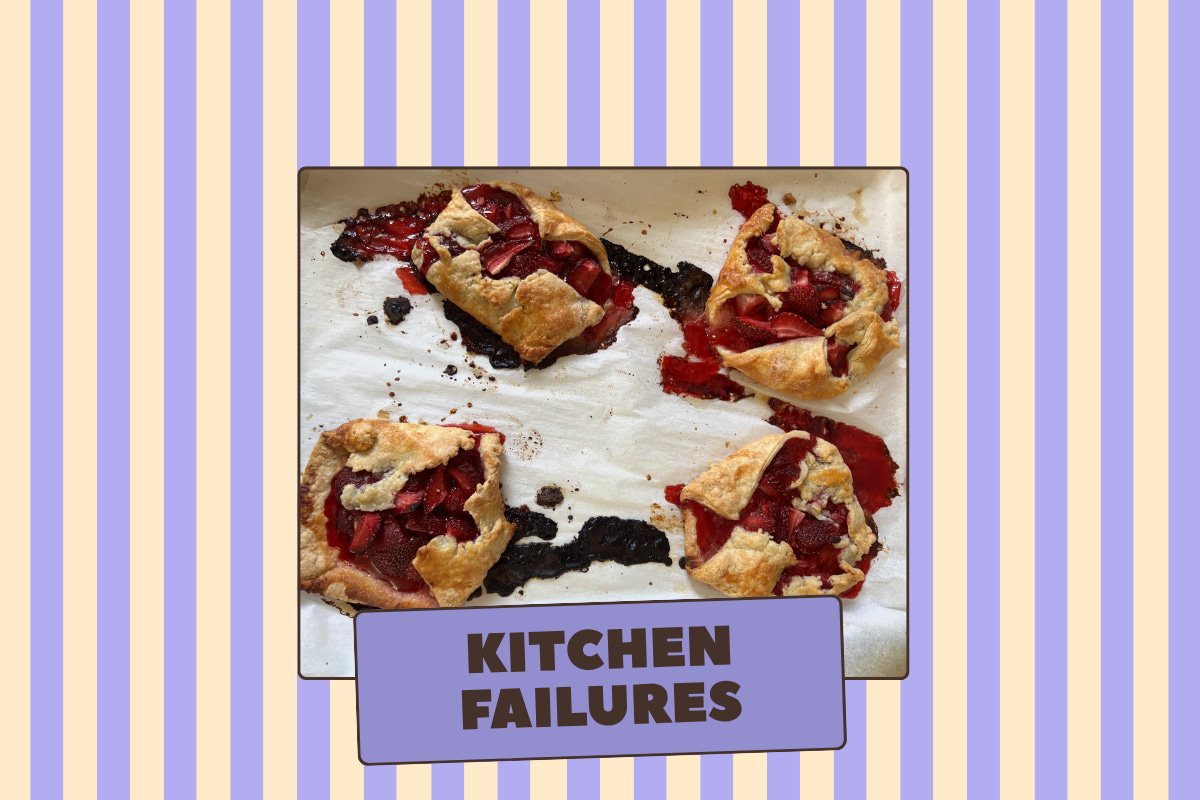
I make mistakes in the kitchen all the time, and I’m a better cook for it! My biscuits have come out flat, my chicken undercooked, my fish burnt. I don’t expect those failures to ever go away, because I plan to keep challenging myself with new recipes. Failure is an inevitable part of both cooking and learning, and that’s exactly what makes the process exciting. When you finish a recipe, the payoff can be wonderful—or the flop can be very disappointing—but the stakes are never too high. And the best learning happens in that safe space, where you can push yourself without being too scared to fail.

Why Kids Need Failure in their Learning
Failure is a crucial part of growth. If kids only tried tasks they knew they could do perfectly, they’d miss out on the chance to develop new skills, discover new interests, and build resilience. If a kid fails, that could mean that they’re taking risks, experimenting, and stretching themselves—that’s exactly where real learning happens.
This idea aligns closely with what psychologists call the Zone of Proximal Development—the sweet spot for learning. It’s the space between what a child can do easily and what they can’t yet do without some support. When kids work in that in-between zone—just challenged enough, with safety nets built into the experience—they build new skills and confidence. That’s what I aim for with Nibblings recipes. The clear steps, thoughtful structure, and gentle support are designed to give kids as much independence as possible while keeping things manageable.
Cooking “failures” are safe, often funny, and usually fixable. When kids realize that a flop in the kitchen isn’t the end of the story but simply part of the process, they begin to see mistakes differently. And this lesson applies more broadly—suddenly, trying a new hobby or taking a risk in the classroom feels less scary. Each cooking misstep can help build resilience, confidence, and a willingness to keep trying.
Strategies for Supporting Failure
Failure is only productive when kids are made to feel safe and supported through it. You can play an important role in this.
Expect it. Go into a cooking project knowing something might not go perfectly. That’s okay.
Plan for it. Have a backup dinner or dessert ready if necessary. Try mac and cheese, leftovers, or a cake mix. A backup makes the stakes a bit lower.
Laugh about it. Share your own cooking mishap to show kids that mistakes are normal and part of learning.
Celebrate perseverance. Even if the dish flops, highlight their effort, risk-taking, and creativity.
Reflect and retry. When something doesn’t turn out right, try to understand what went wrong. Was the oven too hot? Did you add a little too much flour? This thinking about thinking, or metacognition, is a powerful skill kids are asked to use in school all the time, even if they don’t know it. It’s also a key ingredient to real learning. Redoing the recipe together gives them the chance to apply that reflection, notice what works differently the second time, and see firsthand how mistakes lead to improvement.
The Bigger Picture
Failure in the kitchen should feel safe and low stakes. After all, there’s no use crying over spilled milk. That’s how kids learn to handle failure elsewhere. When they learn to shrug off a collapsed cake, they also learn how to bounce back from a tough test, a sports loss, or a project that doesn’t go as planned.
Taking risks leads to failure sometimes—but it also leads to growth, creativity, and confidence. And isn’t that exactly what we want them to take away from the kitchen?
Have your kid practice independence in the kitchen with a Nibblings recipe. Even if it doesn’t turn out perfect, the learning will last.