

The Sunday Dinners That Changed How I Think About Learning
How cooking through The Family Meal cookbook revealed that the skills we use in the kitchen are the same skills we use to learn.

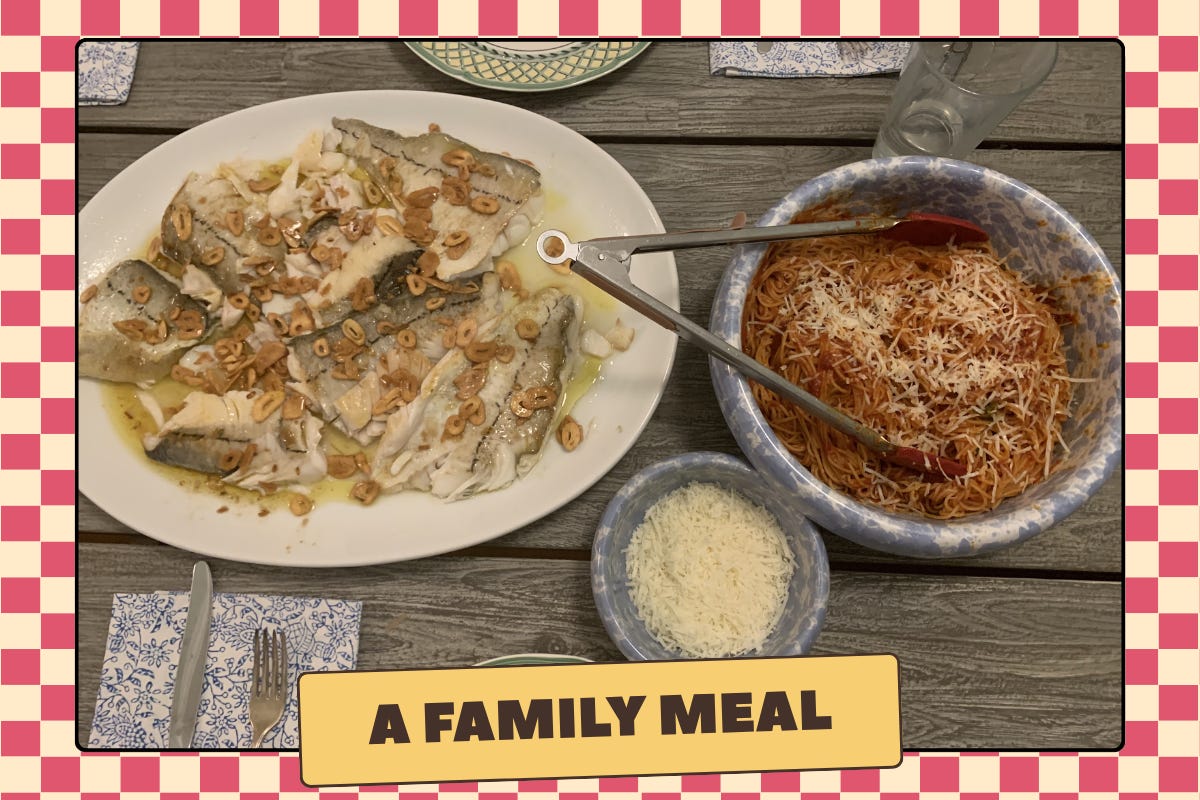
About four years ago, I came across The Family Meal cookbook while browsing the gift shop at MoMA PS1. I flipped through a few pages and immediately knew I needed it. When I got home, I showed it to my husband, Adam, and together we sat down and started reading.
The premise of The Family Meal is simple. Chef Ferran Adrià, whose restaurant elBulli was named the world’s best restaurant five times, compiled recipes inspired by the meals served to restaurant staff before service each night. These family meals were designed to nourish the people responsible for nourishing everyone else. The underlying philosophy was that if you are fed well, you cook well.
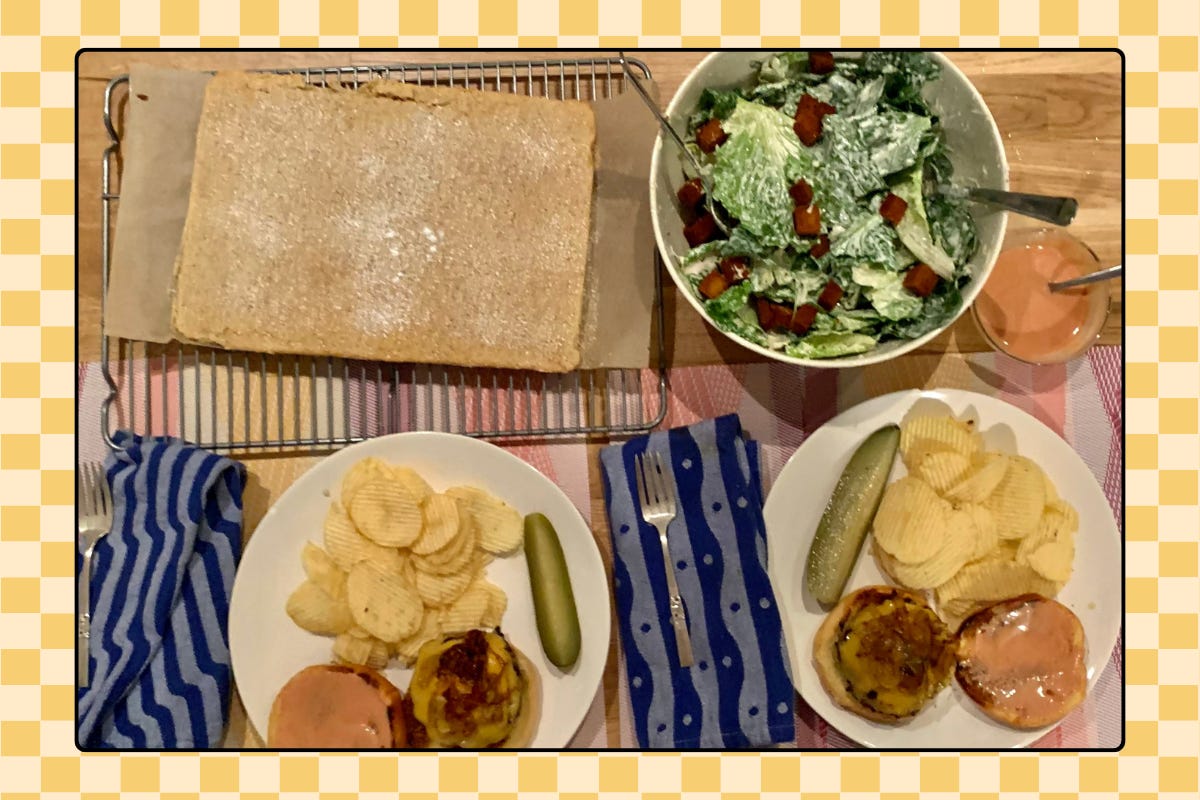
Inspired by the book, Adam and I decided we would cook our way through it. Every Sunday, we would make one complete meal, which is how the cookbook is structured: Each recipe is part of a three-course meal that includes an appetizer, entrée, and dessert. The recipes are also designed to be scaled up to feed a crowd.
Our Sundays quickly developed a rhythm. We’d spend the afternoon searching for ingredients, return home, read through the recipes together, divide the work, and get cooking.
I was, and still am, the more experienced cook in our household. So, I assumed the role of head chef. At the time, I thought I was teaching Adam how to cook. Looking back, I realize I was witnessing something much more interesting.
Each Sunday night, I watched him encounter challenges that had long become invisible to me. He would read a direction and pause, unsure what it meant. He would underestimate how long a task would take. He would forget an ingredient and have to figure out what to do next. Sometimes he’d become overwhelmed by the number of things happening at once and need to stop, regroup, and make a plan.
As a teacher and learning designer, these moments fascinated me.
What fascinated me was not the cooking itself, but how visible the learning became. In many settings, we only get glimpses of the thinking that happens between the beginning of a task and the finished result. In the kitchen, that thinking is often externalized. Planning looks like organizing ingredients. Time management looks like deciding what to start first. Flexibility looks like adapting when something goes wrong. The skills are easier to see because they are constantly being translated into action.
As Adam cooked, I found myself paying less attention to the food and more attention to the learning. I watched him reread directions when something didn’t make sense. I watched him compare information from different sources. I watched him estimate, adjust, improvise, recover from mistakes, and build confidence through practice. This is what learning looks like; it is planning, problem-solving, developing flexibility, building time awareness, persistence, self-monitoring.

One of my favorite features of The Family Meal appears before the cooking even begins. Each recipe includes a page that lays out every ingredient the cooks need for the meal alongside photographs, quantities, and even a timeline, showing when you should start each component of the meal. It functions as a visual map of the entire cooking process.
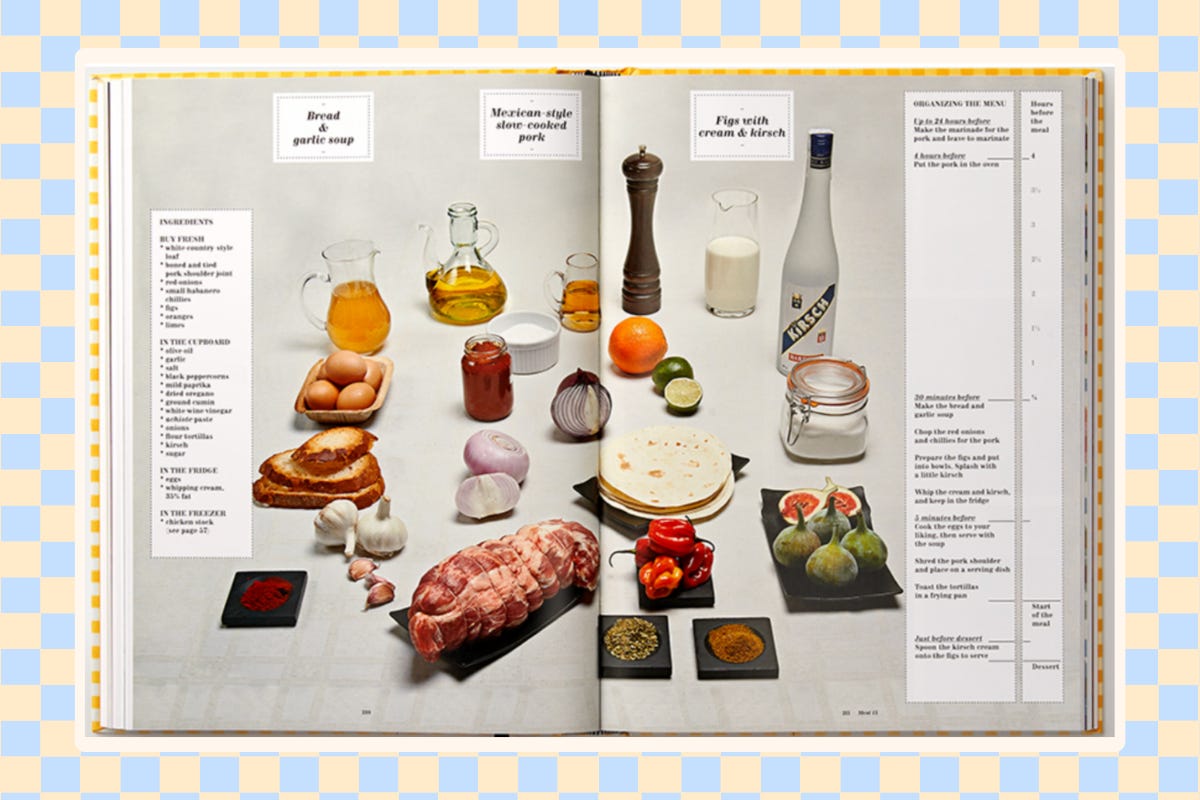
At first glance, it might seem like a beautiful design choice. But the more Adam and I used it, the more I realized it was serving a much deeper purpose. Rather than relying solely on a written ingredient list, we could reference the images to confirm we had the right ingredients and understood what we were working toward. The timeline helped us anticipate what was coming next and think ahead about how to organize our time. The page wasn’t just providing information, it also supported our planning and preparation.
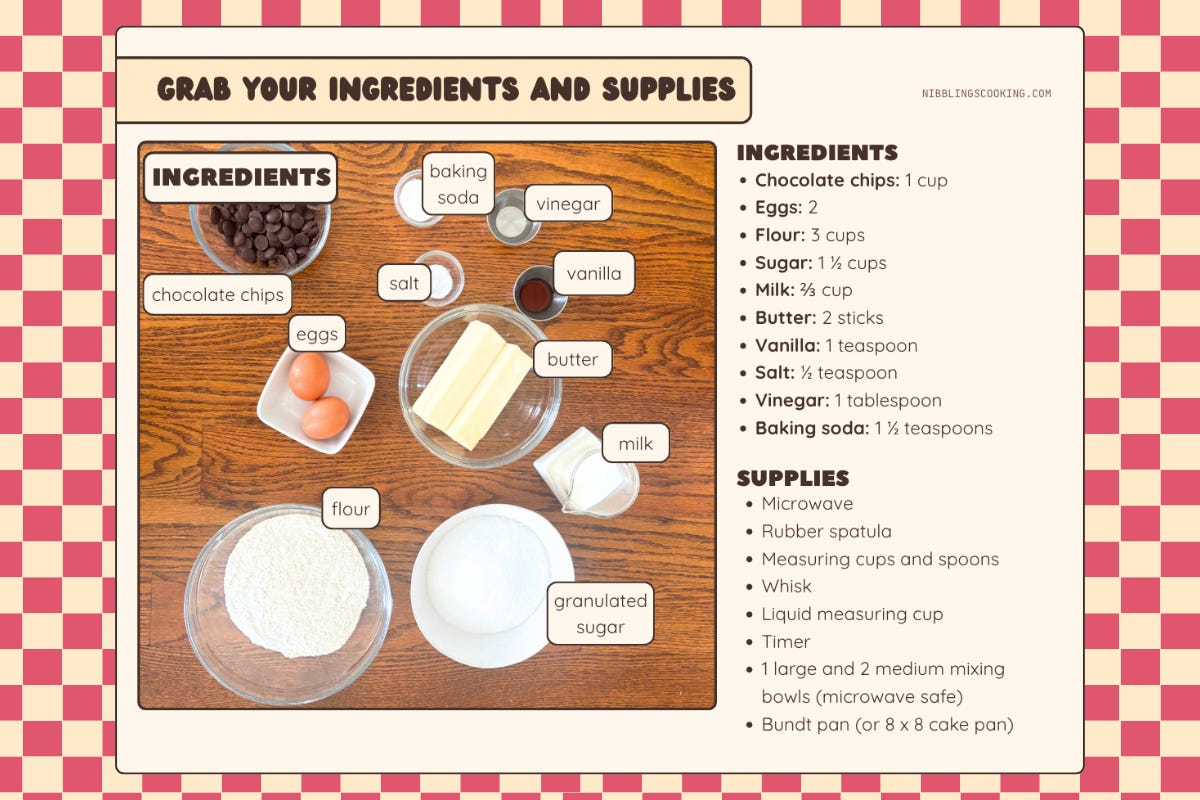
When I began creating Nibblings recipes, I found myself returning to that page. As you’ll notice, the ingredient and supplies pages in Nibblings are directly inspired by those pages from The Family Meal. I want kids to see ingredients represented both as words and as images because different representations help different learners. More importantly, I want those pages to work as tools for thinking and learning. Before a kid begins baking, they can survey the project ahead, identify what they need, and start building a mental model of the recipe.
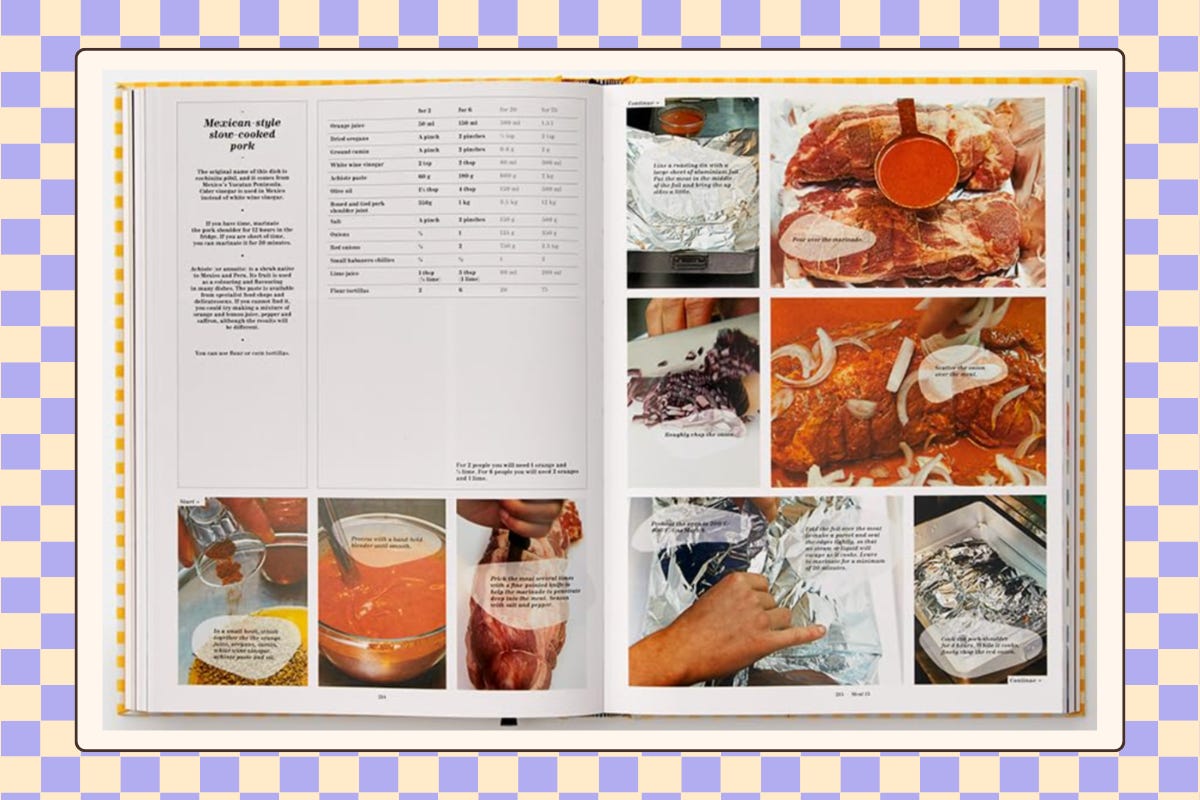
Unlike many cookbooks, The Family Meal uses step-by-step photographs throughout each recipe. Every written direction is accompanied by a visual representation of what should be happening. If Adam needed information beyond the written directions, he could study the photograph. If the photograph wasn’t enough, he could compare it to the next image and infer what had changed.
The recipes in The Family Meal didn’t rely on a single explanation. They provided multiple pathways to understanding.
This is exceptional instructional design. The recipe itself acts like a teacher. It scaffolds the learning experience and reduces elements that create an unnecessary cognitive load. It helped a novice cook solve problems independently before asking for help.
The more I watched Adam interact with the recipes, the more I began wondering what would happen if we intentionally designed cooking experiences around learning.
Not cooking as a way to produce dinner, cooking as a way to practice being a learner.
That question sat with me for years.
Eventually, it became Nibblings.
Today, every Nibblings recipe is shaped by those Sunday afternoons in the kitchen. The photographs, ingredient visuals, chunked instructions, planning supports, and reflection prompts all exist for the same reason: to help young cooks develop the skills that make learning possible. And so, learning to cook becomes cooking to learn.
Love this! So fun to see you take on an interesting challenge and surprise yourself by what you get out of it.