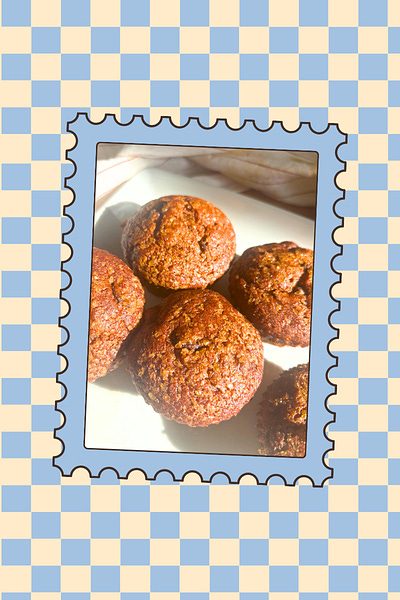
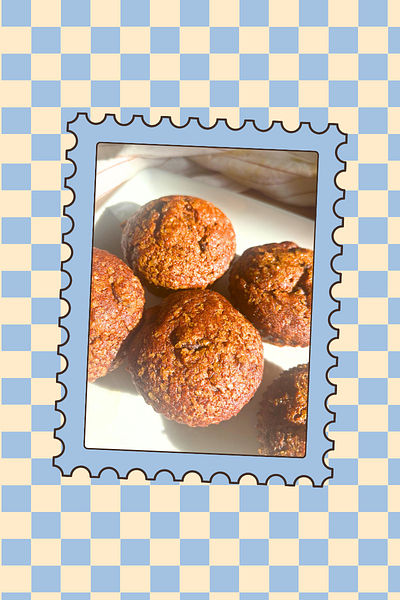
Kid Recipe: Pumpkin Chocolate Chip Muffins
A beginner recipe that's easy to share and extremely delicious.


This recipe is a perfect starting point for kids who are ready to develop the skills to work in the kitchen independently. The steps are straightforward, the baking time is short, and the results are delicious. They are a great choice for a Thanksgiving dessert or any fall gathering.
While the recipe isn’t complicated, it’s intentionally designed to teach key baking skills. Kids will practice separating dry and wet ingredients, giving a strong one-minute whisk, and using a cake tester to check if their muffins are baked through. These are all essential techniques for a budding baker. Each step is broken down clearly so kids can focus on one skill at a time and practice these core competencies for baking.
I had considered writing this recipe as a loaf, but I chose to create something that is easy to share. That’s the magic of muffins! I hope kids feel the pride of creating something delicious and the joy that comes from sharing it with others and learn that they are capable of problem solving and persevering in the kitchen.

No chopping
No stove


Canned Pumpkin Puree
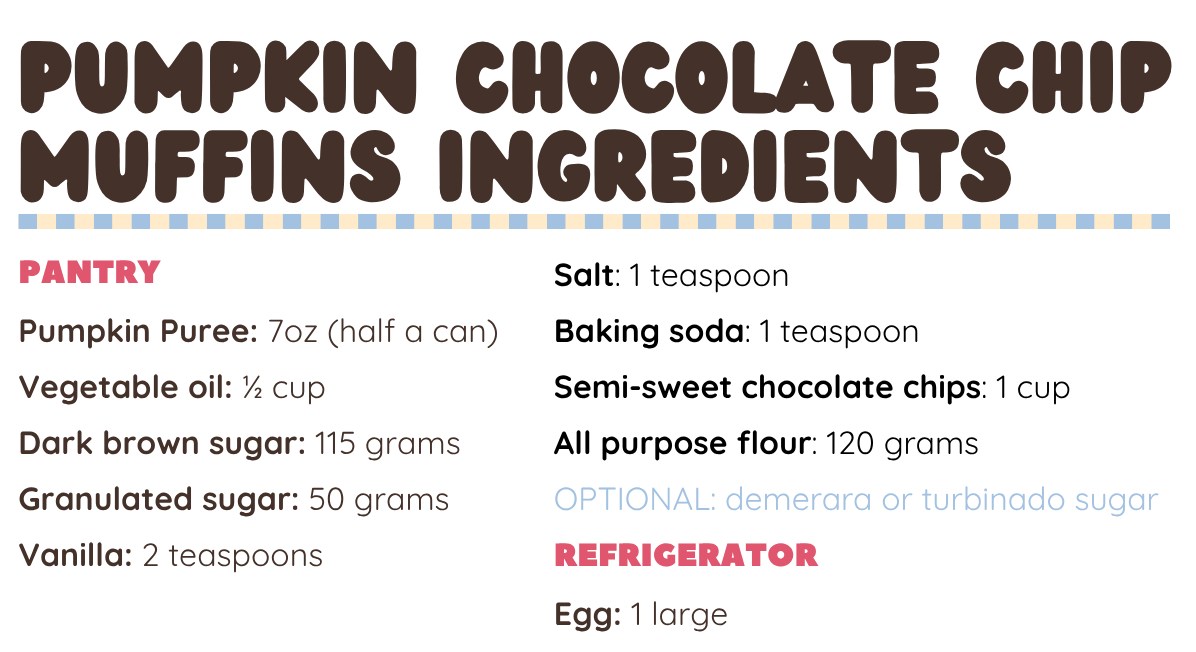
Choose any 15oz can as long as it is just pumpkins, with no added sweeteners. Libby’s is tried and true. I call for only half a 15-oz can of pumpkin puree.
The recipe is very easy to double to make 24 muffins, and it’s a great chance to talk with your kid about how you would adjust the ingredients throughout. Doubling a recipe offers the chance for some simple math, of course. I recommend writing down all of the doubled quantities ahead of time because keeping those new numbers in mind while baking can be tricky.
Alternatively, you can save the other half of the puree in a tupperware in the fridge and your kid can make the recipe again. Repeating a recipe is a great way to become a better baker because the steps are familiar, and kids are able to reflect on what was challenging initially, helping them to make improvements and grow as a baker.

This is a great beginner recipe. Like any skill, cooking develops through practice, and staying motivated keeps the momentum going. The tasks here aren’t overly challenging and the outcome is delicious. Starting kids with something they can do successfully proves to them that they can bake something delicious and may motivate them to bake more complex recipes in the future.
Finally, there are two optional elements in the recipe—adding rice to the bottom of the muffin tin and sprinkling sugar on top before baking. These invite kids to explore how small changes in process can affect the outcome, giving them a gentle introduction to experimentation in baking. They can choose to skip these steps if the recipe already feels like a big lift, or try them to see how different variables change the final result. If your child makes the recipe a second time, these are great elements to revisit. Testing out the optional steps the next time around helps them see, taste, and reflect on how small choices and tweaks can lead to different outcomes. This built-in differentiation keeps the recipe accessible while also offering room to grow!

Preview the recipe together and flag any steps where your kid might need help.
Demonstrate how to use a scale.
Your kid may have some experience with scales from math or science in school, but if using it in the kitchen is completely new give them a little demonstration.
Ensure that the measurement is set to grams and talk with them about how to use the TARE button. Learn more about using scales with kids here.
If you don’t already have a scale I highly recommend it for your own cooking and your kids’. This is the one I use: Escali
Provide a good muffin partitioning tool
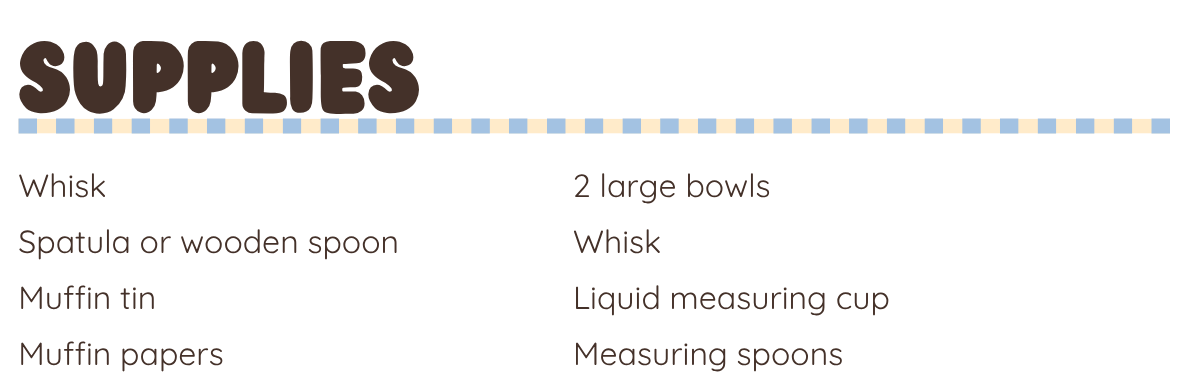
A cookie scoop or ice cream scoop works wonderfully for dividing the batter evenly into the muffin tin. If you don’t have one, a large spoon will do, it just takes a little more care to make the sizes uniform.
Open the pumpkin puree ahead of time.
If opening a can is something your kid can’t yet do independently, go ahead and open it while they’re setting up. This helps them stay in their flow and as they move through the recipe without needing to stop and ask for help mid-process.