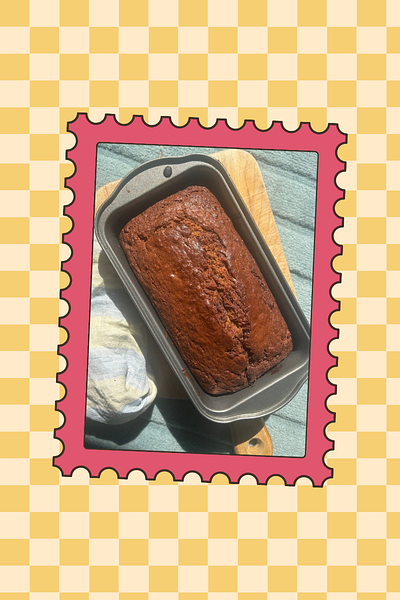
Kid Recipe: Chocolate Chip Banana Bread
What Banana Bread Can Teach Us About Second Chances

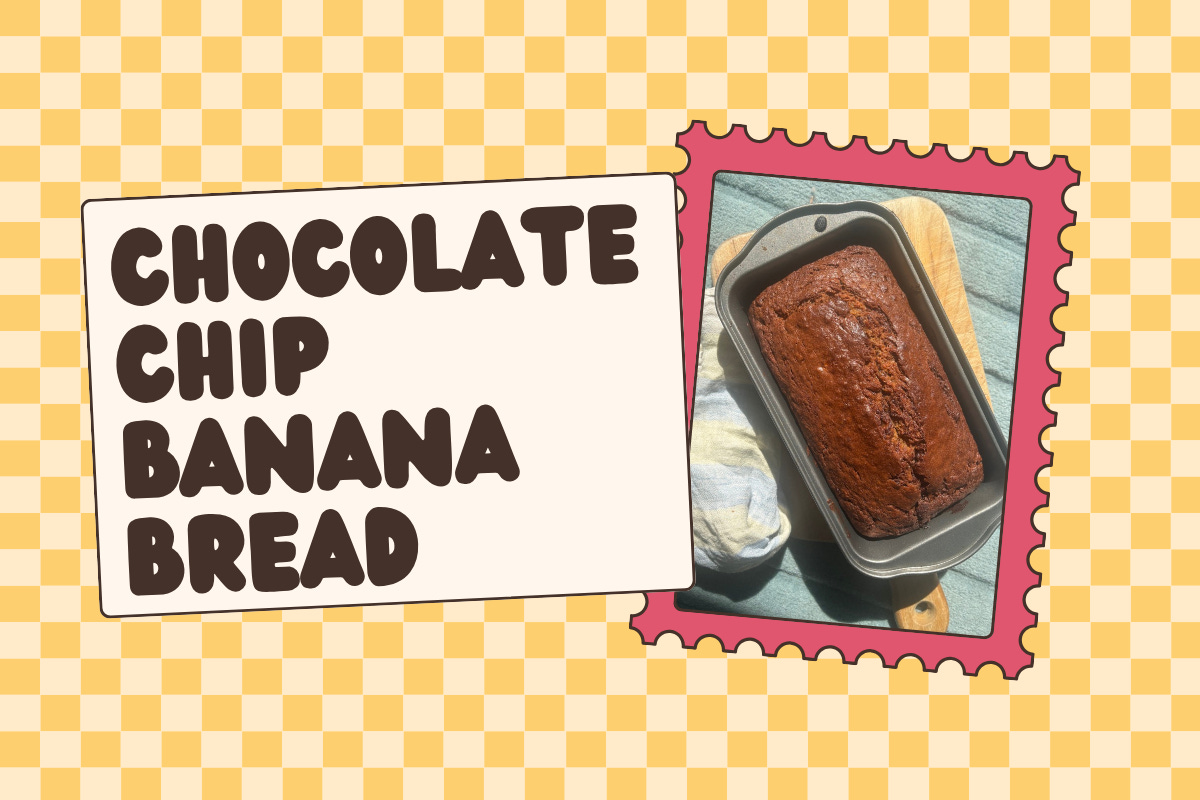
Banana bread is a beloved treat, but it is more often than not a result of circumstance—namely, having a bunch of overripe bananas that would otherwise go to waste. I love the idea that we can use this recipe to model how kids can take something that seems to be nearing its end and transform it into something new. If you’re like me, banana bread is rarely planned. It’s often baked out of necessity and on a whim. But that can be fun and exciting.
So the next time you notice some bananas that will soon be too ripe to enjoy, think of it as an invitation, and consider asking your if they want to turn something they’d never eat, into something that they won’t want to stop eating.
What I especially like about this recipe is that it lends itself naturally to analogy. Analogies are one of the most powerful learning tools we have because they help us connect concrete experiences to bigger ideas. Teachers use them all the time. We might describe the heart as a pump, compare the structure of an atom to our solar system, or explain friendship as a garden that needs tending. Banana bread offers its own analogy: things that seem past their prime can still be valuable (and delicious) if we know how to use them.
You might even make that connection explicit with your kid. What other things can be transformed instead of thrown away? When have they taken a mistake, a rough day, or an abandoned project and turned it into something worthwhile? Or take a look at the many examples of this idea in one of my favorite children’s books, Beautiful Oops!, which celebrates creativity, resilience, and the unexpected possibilities that can emerge from mistakes.
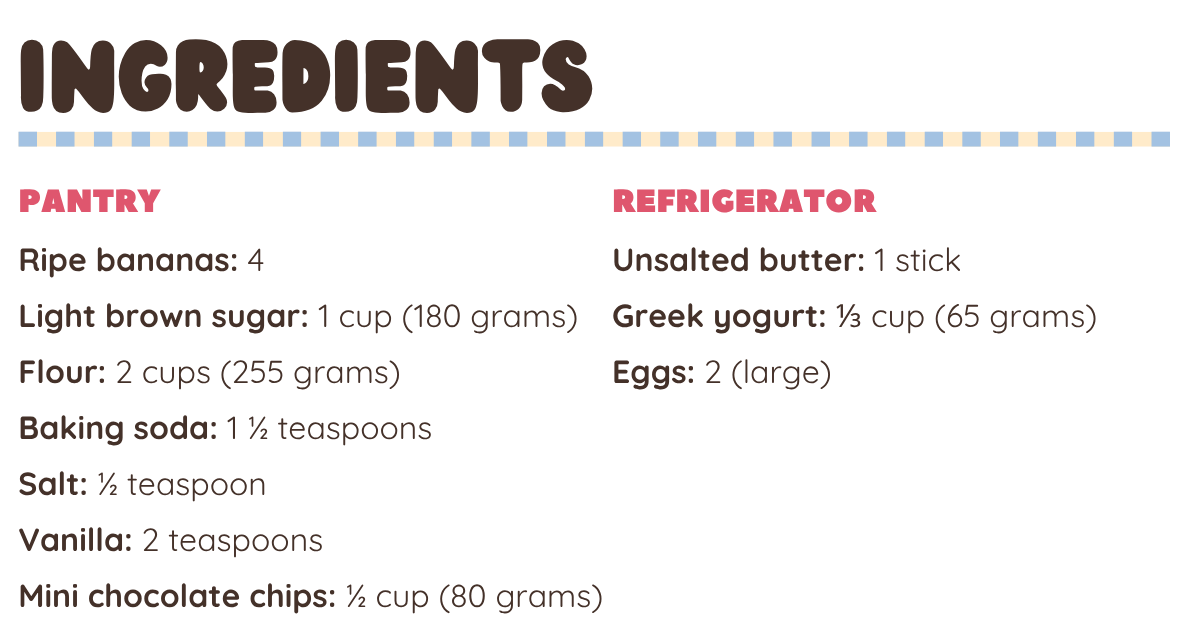


Bananas: Choose bananas that are heavily speckled or mostly brown. As bananas ripen, their starches break down into sugars, making them sweeter, more flavorful, and much easier to mash into the batter.
Mini chocolate chips: I prefer mini chocolate chips in banana bread because they seem to disappear into the loaf. Instead of getting large pockets of chocolate, you get little bursts of chocolatey goodness in each bite. That said, regular chocolate chips work perfectly well too or skip the chocolate chips entirely. If you do buy a bag of mini chips, you’ll find another use for them in my granola bar recipe.

This recipe starts with a small kitchen shortcut that feels surprisingly satisfying: melting the butter in the microwave and then using the empty butter wrapper to grease the loaf pan. Kids often enjoy discovering these little tricks that make baking easier and reduce waste.
A key element to banana bread baking is mashing bananas to form a batter. There is no single “right” way to mash bananas. Some folks may prefer a fork, while others use a potato masher, a whisk, or even their hands. Watch what happens as your child experiments. Do they stick with one method? Try several? Look for ways to make the job easier? This kind of trial and error is an important part of problem-solving and learning.
Once the bananas are mashed, the rest of the recipe comes together quickly. It follows a process that will feel familiar to many Nibblings bakers: melt the butter, mix the wet ingredients, mix the dry ingredients, combine the two, bake, clean up, and enjoy. While the ingredients and final product may be different, the underlying process is one that appears again and again throughout the Nibblings archive.
As kids gain experience with these patterns, baking begins to feel more seamless and routine. This growing familiarity builds both confidence and independence in the kitchen. The more opportunities kids have to revisit familiar processes in new contexts, the better they become at generalizing what they know and applying it to something unfamiliar. Banana bread offers exactly that opportunity: a chance to practice well-established baking techniques while enjoying the novelty and excitement of creating something new.

Microwave safety: Make sure your kid knows how to set specific times (20 seconds, 30 seconds, 1 minute), what containers and utensils are microwave-safe, and how to safely remove hot items using a dry cloth or oven mitt. Once they’ve got those basics, the microwave can be a great tool for independent cooking.
Preview the recipe together and flag any steps where your kid might need help.
Encourage your kid to try independently first and come to you when they need support; this builds confidence and problem-solving skills.
Look out for the “Grab Your Grown-Up” moments. If your kid is ready to handle the oven safely, let them know. Relax and enjoy stepping back!