

Designing a Shared Kitchen that Supports Independence and Real Participation
How real tools invite kids into meaningful work

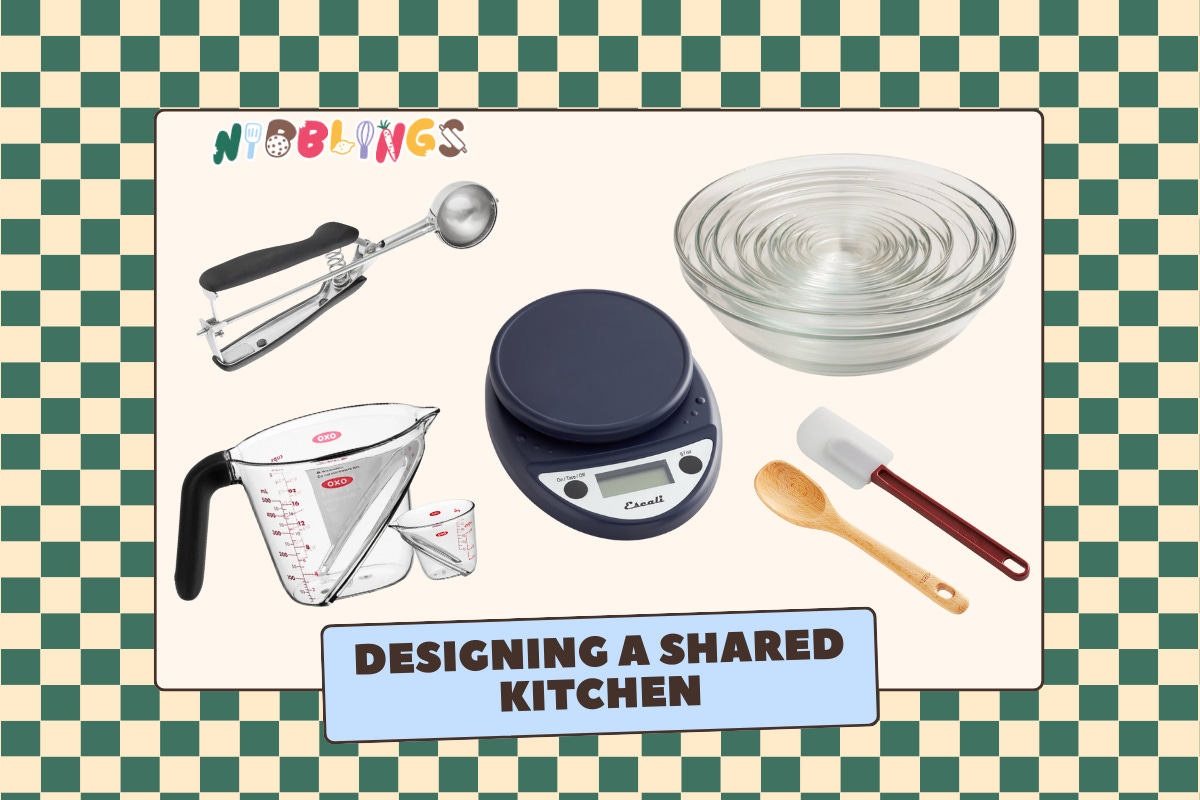
Kids love tools. Grown-ups do too. But having the right supplies in your kitchen isn’t just about fun. A kitchen full of the right tools expands the options you and your kids have as bakers and cooks. The goal isn’t to have the fanciest gear or separate “kid” equipment, but to stock your kitchen with tools that genuinely work for everyone.
If you want your kid to cook more independently and you’d also like your kitchen to feel more functional, this is the place to start.

One Kitchen, Shared Tools
There are countless kids’ cooking kits on the market: plastic bowls, fake knives, miniature tools meant to feel safe and unbreakable. I understand the appeal. But part of the joy of cooking comes from using real tools and feeling like a serious participant—or, dare I say, a grown up.
Kitchen tools are meant to be used. They break sometimes. I’ve broken my fair share, and your kids will break them too. But the benefits of letting your kids use the kitchen tools you use are substantial. When you have good, durable, and practical tools for everyone to use, the kitchen becomes a shared space, where kids learn responsibility, care, and confidence.
This mirrors what we know from educational design best practices. In Montessori classrooms, the environment is intentionally prepared with real, functional materials sized appropriately for children. When the space is set up for kids to succeed, they rise to the occasion. The same is true in the kitchen
Tools That Reduce Friction and Invite Independence
Good tools do a lot of invisible work. They reduce friction, simplify steps, and make it easier for kids to stay engaged without constant adult intervention. A few essentials I rely on that will work great for you and your kids:
Large set of mixing bowls
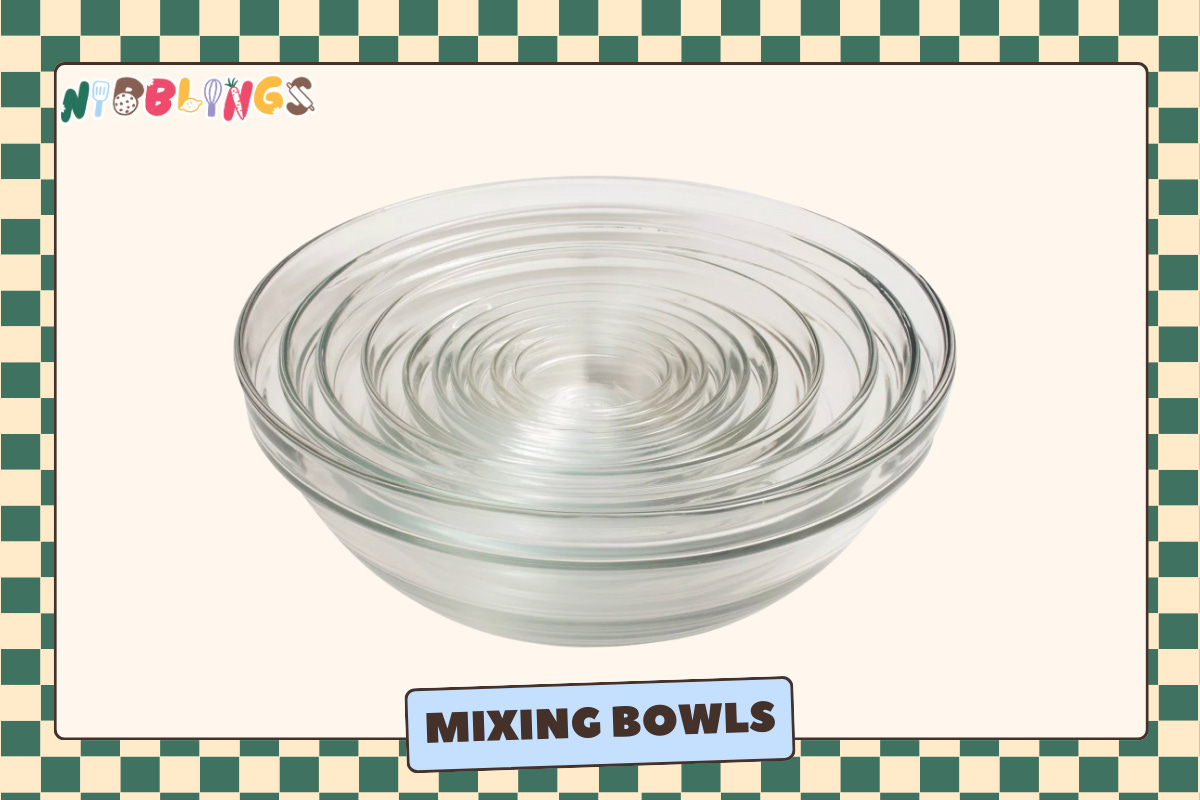
I use mine constantly. Yes, they’re glass and breakable, but they’re durable, stackable, microwave-safe, and easy to replace. Having multiple bowls means kids can move through a recipe smoothly without stopping to wash or reuse one or search for another vessel.
Easy-to-read liquid measuring cup
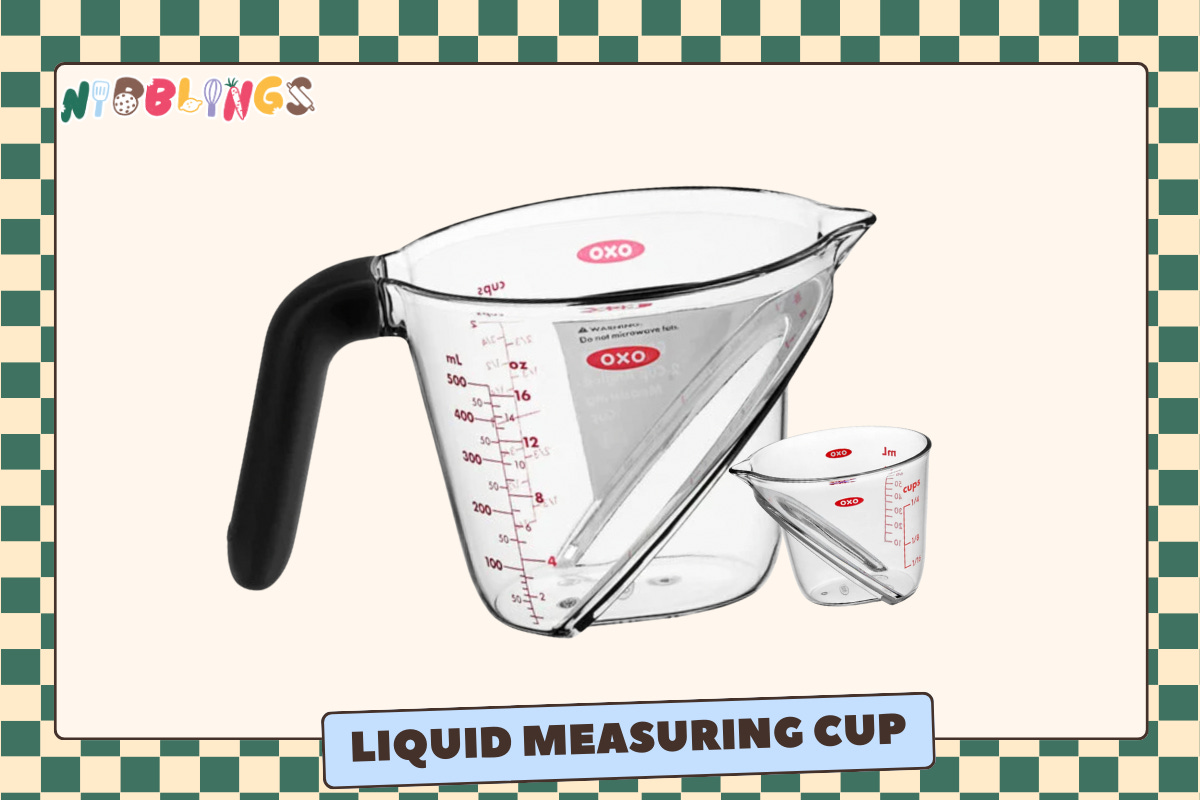
Look for one with a handle, a spout, and clear markings. Pouring is a big moment of independence, and a good measuring cup makes it achievable (even for kids as young as 2). It also helps kids distinguish between liquid and dry measurements, an important foundational skill. Get one that you can read from top down to take away just one more barrier for a kid reading quantities in fractions.
I also love this small one and use it constantly for measuring out small liquid quantities in tablespoons or ounces
Kitchen scale
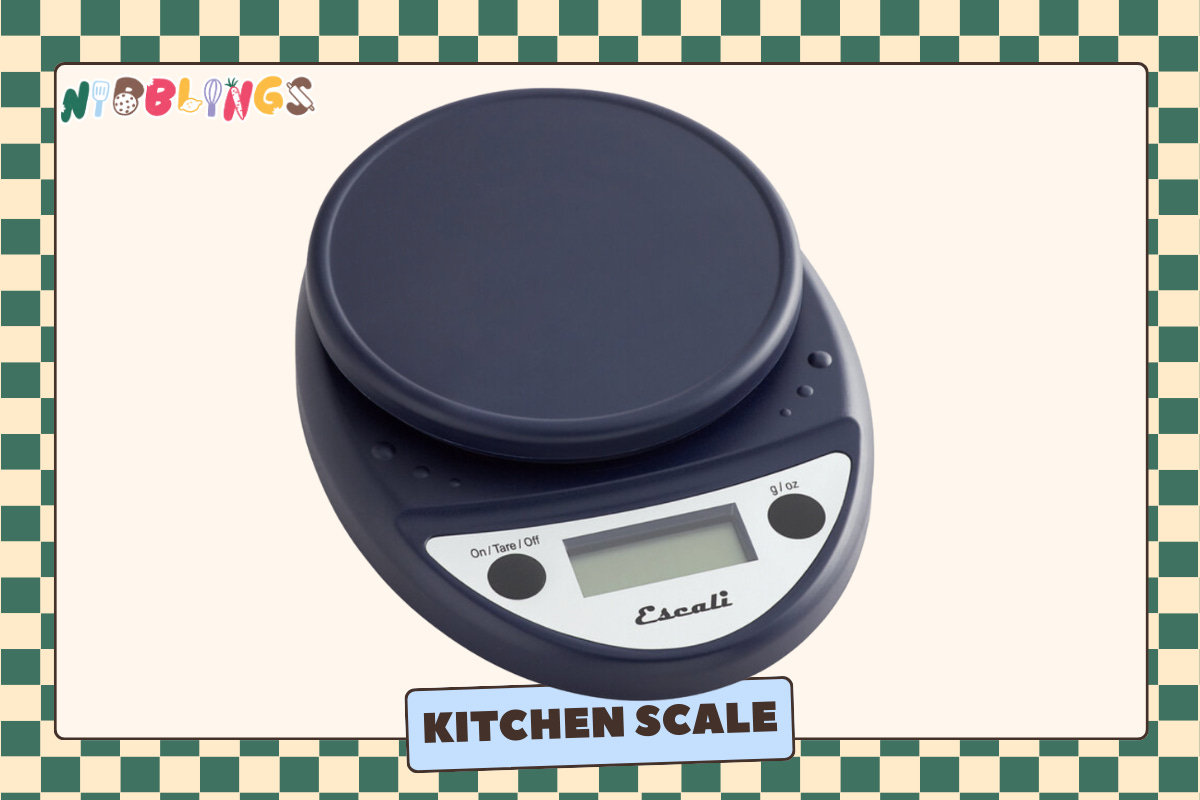
Scales remove guesswork and simplify measuring. They’re incredibly empowering for kids once they learn how to use them, and they reduce the cognitive load of converting measurements. (I write more about this in my scale article.) I think absolutely every kitchen needs one and cannot recommend this enough. It means more precise measurements and fewer things to clean too.
Cooking utensils: A wooden spoon and a rubber spatula
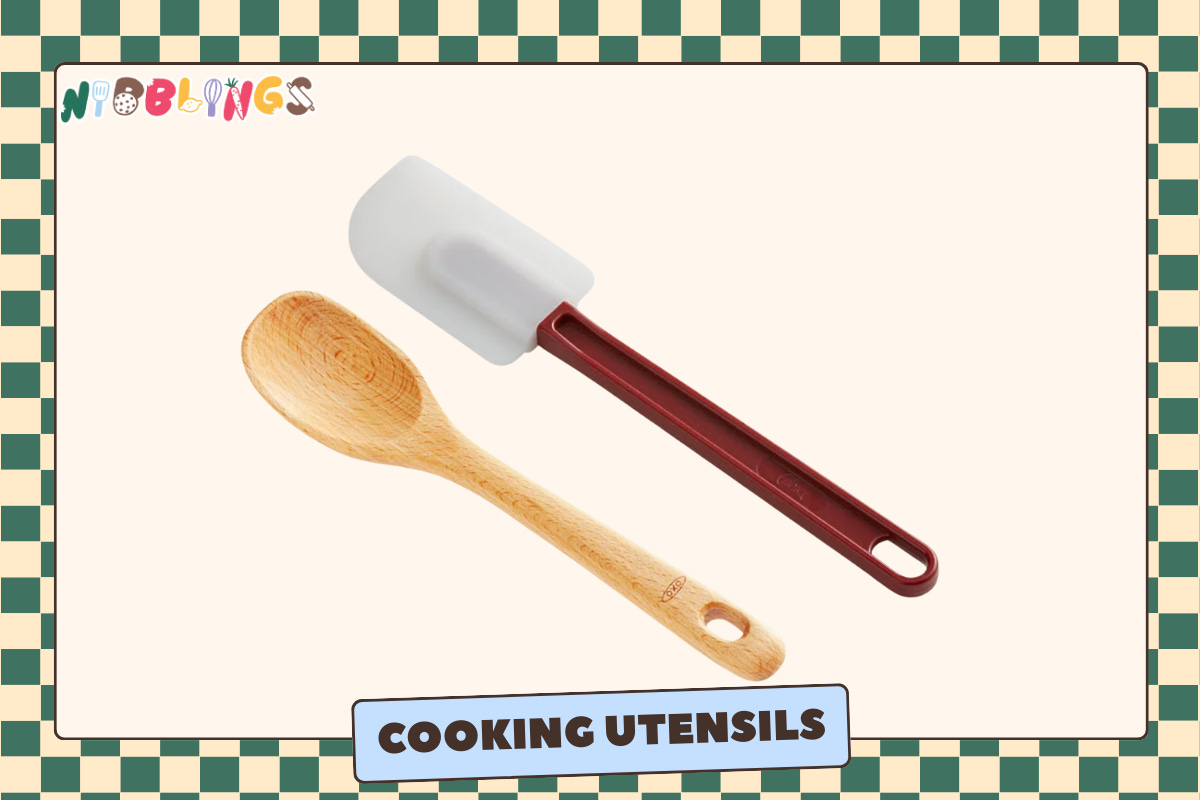
These are the two utensils I use most, and they show up repeatedly in Nibblings recipes. They’re sturdy, versatile, and forgiving. When kids don’t have to switch tools constantly, they can focus on the task itself.
Cookie scoop
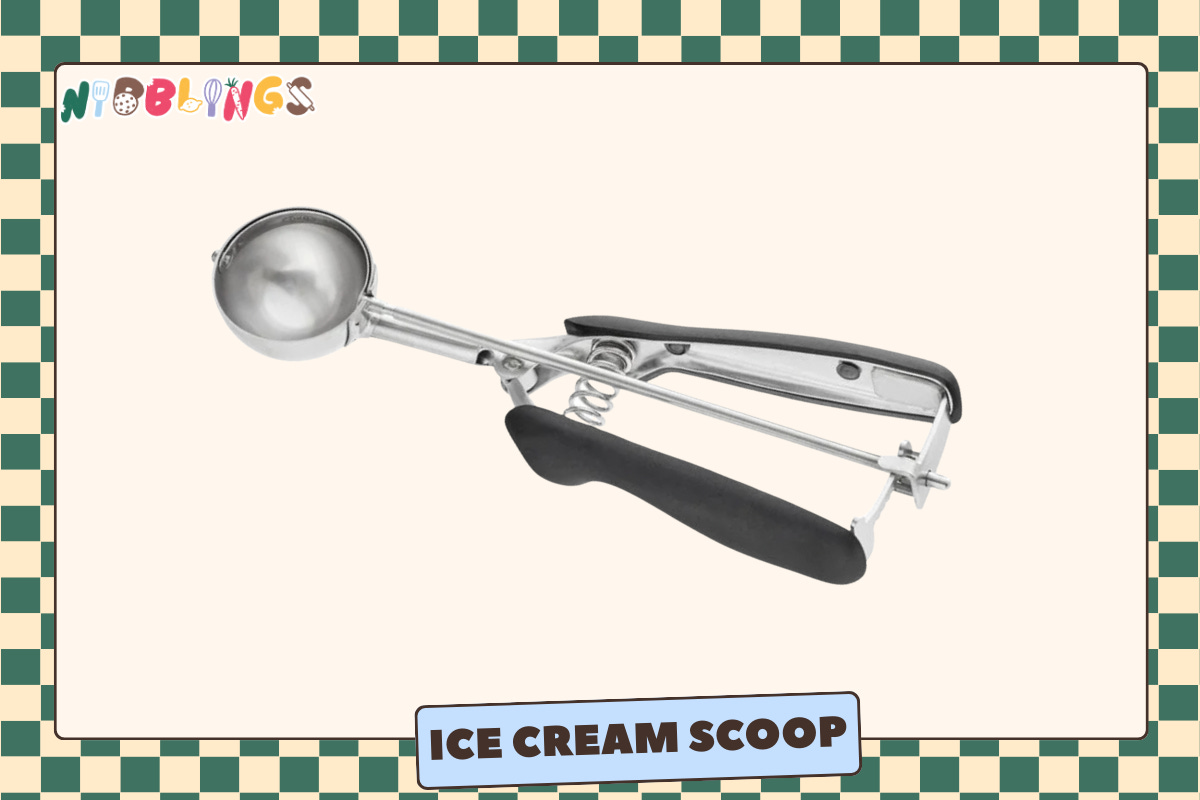
This is one of those tools that feels small but makes a huge difference. It speeds up portioning, helps with consistency, and removes a tricky final step. I use mine for cookies, pancakes, fritters, even ice cream.
Why Tool Choice Matters
When a kitchen is thoughtfully equipped, kids can cook more successfully and independently. The right tools help them anticipate steps, manage materials, and stay engaged through a full recipe. Over time, kids internalize these routines and carry the skills into new projects.
This is about more than convenience; it’s about designing a space that communicates trust: You belong here. You can do real work. You’re capable.
When adults trust kids with real tools in a well-prepared environment, kids learn how to participate, care for shared materials, and see themselves as competent contributors. And that’s good design, for kids and grown-ups alike!
ooo i have those bowls and they are so great.
thanks for not linking to amazon ;)
nothing like a good ice cream scoop